Maintenance of Concrete Pavers: Frequently Asked Questions
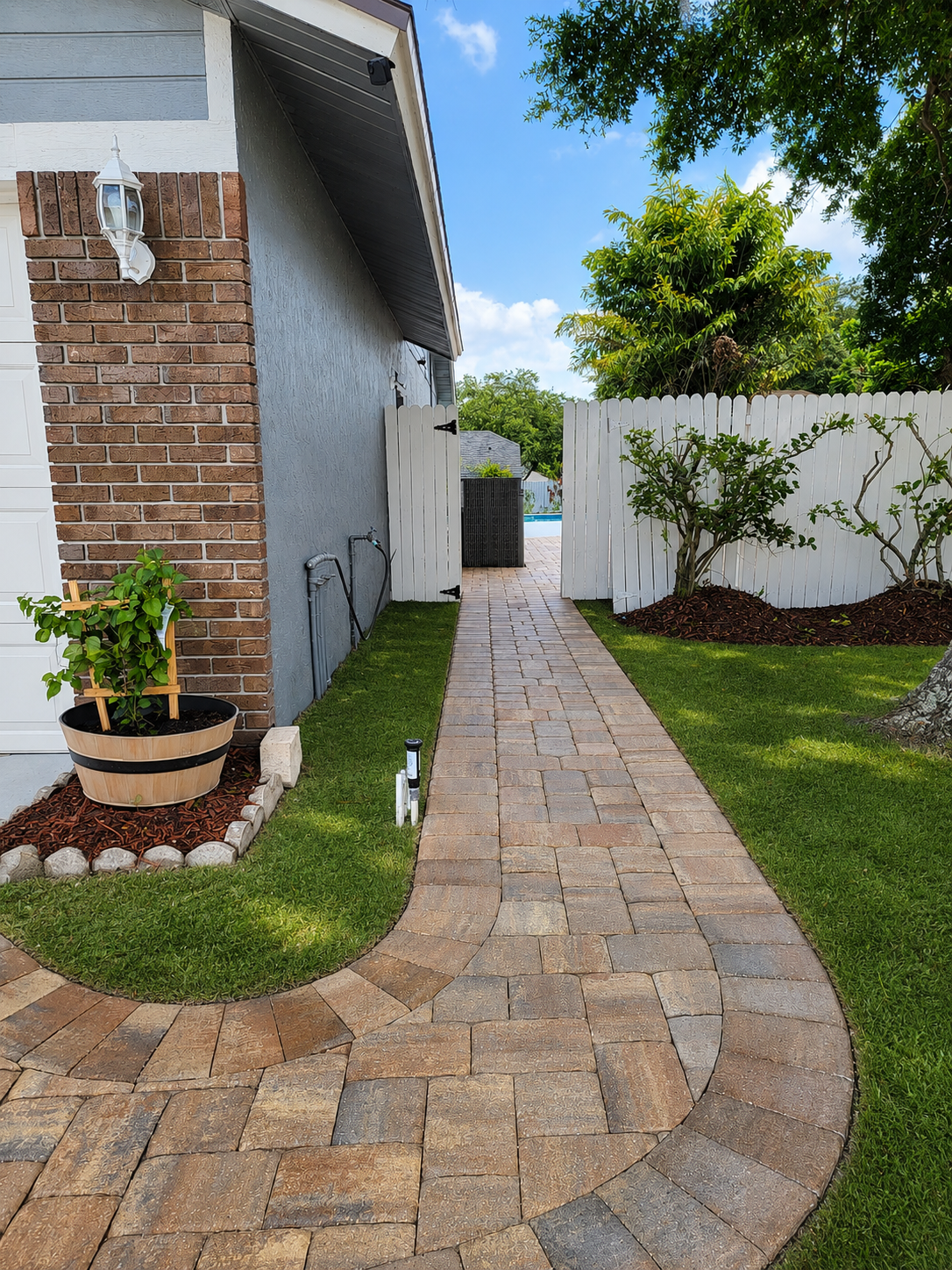
Concrete interlocking pavers are durable, long lasting, and low maintenance. In order to preserve the beauty of the pavers, the following maintenance suggestions may be helpful:
A few spare pavers? It is always recommended to keep a few spare pavers after your project is completed. One advantage of concrete pavers is that individual units can be removed and replaced if they become damaged or stained beyond repair.
Resanding the Joints: It is not necessary for the joint sand to remain flush with the top of the pavers at all times. Some erosion of joint sand is normal due to rain and regular traffic. If the sand level becomes too low, the pavers may begin to loosen. Additional joint sand can be reapplied by a professional installation company. Sealing the pavers with a joint stabilizing sealer can also help minimize joint sand erosion.
Weeds and ants: Treatment of the paver surface with weed control and insect control products can help reduce weeds and ant activity. Applying a sealer specifically designed for concrete pavers, along with polymeric sand, can significantly help minimize both weeds and ants.
Stains: Oil, paint, tar, rubber, and fertilizer stains are among the most common stains found on pavement surfaces. AWBP offers a complete line of cleaning products specifically designed to help remove these stains. All products include detailed cleaning instructions on their containers.
Sealing your pavers: Many homeowners ask whether sealing pavers is necessary. Sealing is a personal preference and is not required to maintain the structural integrity of the pavers. However, sealing can enhance the color and appearance of the pavers, help slow color fading, and provide additional protection against weeds and ants. By penetrating the surface pores, sealers also make pavers easier to clean and assist with stain removal.